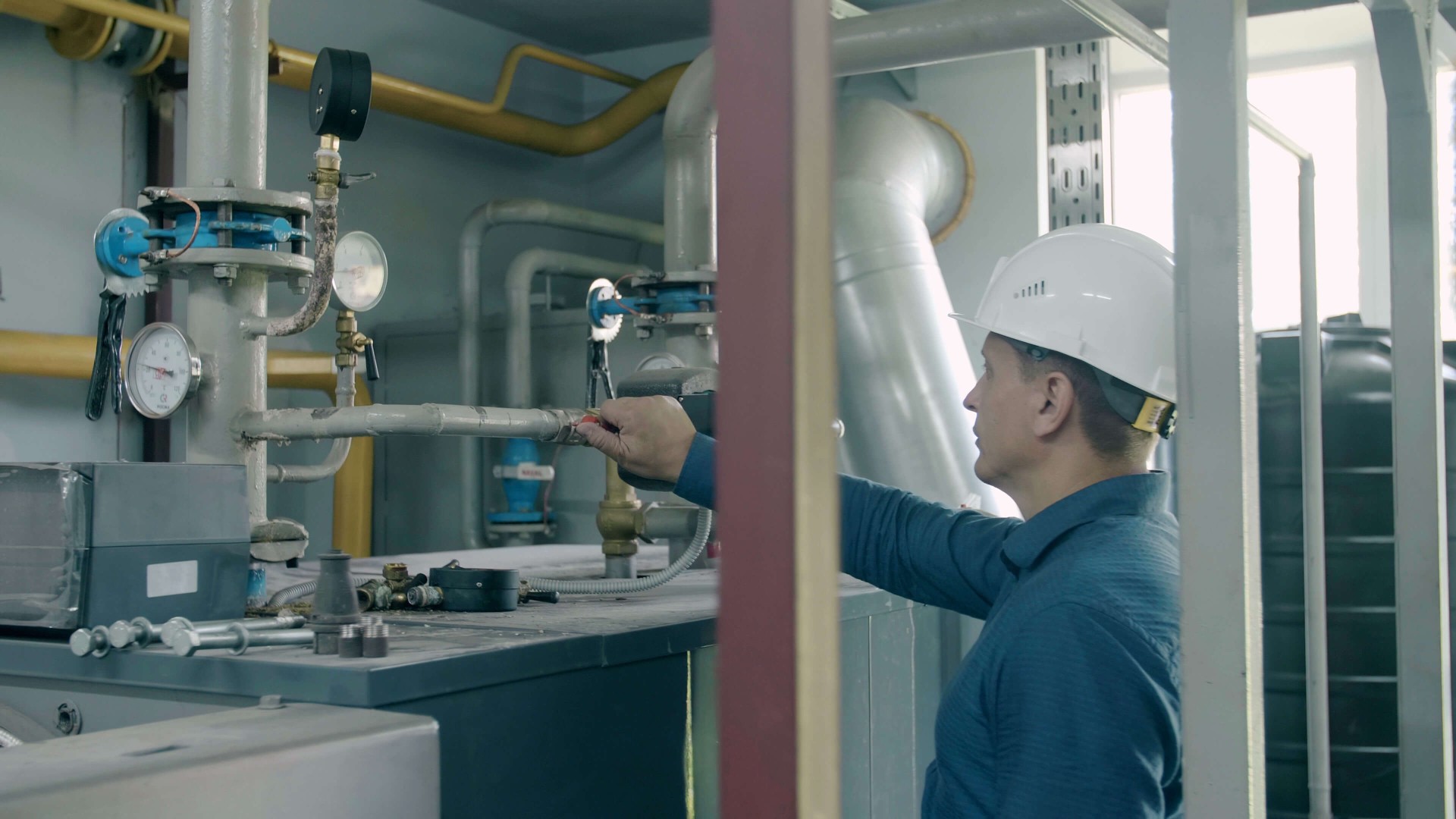
You built a plumbing business that works. The phone rings, the trucks roll, the techs show up, the invoices go out. Maybe you've been doing this for 15 years. Maybe 30. Either way, you're starting to wonder what selling a plumbing business actually looks like — what yours is worth, who would buy it, and what happens to the operation you've spent your career building.
Those are the right questions. And the answers are more specific than the generic "how to sell a small business" advice you'll find elsewhere. Plumbing businesses have their own value drivers, their own risks, and their own realities that buyers evaluate differently than, say, a manufacturing company or a retail operation.
Here's what actually matters.
What Makes a Plumbing Business Valuable
Buyers aren't just looking at your revenue number. They're looking at what's behind it — the factors that make that revenue reliable, repeatable, and likely to continue after you're gone.
Recurring service agreements and maintenance contracts. This is the single biggest value driver in a plumbing business. A company with 500 active maintenance contracts has predictable monthly revenue that doesn't depend on new customer acquisition. Buyers will pay more for that kind of stability than for a company doing the same revenue entirely from one-off service calls and project work.
Licensed technician retention. Your techs are your business. In most markets, licensed plumbers are hard to find and harder to replace. If your team has been with you for years, that's a major asset. If you've got high turnover or a crew that's only loyal to you personally, that's a risk a buyer is going to price in.
Residential vs. commercial mix. A healthy mix of both is ideal. Pure residential can be seasonal and price-sensitive. Pure commercial can mean heavy customer concentration. A blend gives the business resilience across market cycles.
Customer concentration. If one or two accounts represent more than 20–25% of your revenue, that's a red flag for buyers. Losing a single customer shouldn't be able to materially damage the business.
Geographic density. A plumbing company with a tight service area runs more efficiently than one with trucks driving 45 minutes between jobs. Route density means more jobs per day, lower fuel costs, and faster response times — all of which show up in your margins.
Fleet condition, reputation, and online reviews. A well-maintained fleet signals operational discipline. Strong Google reviews and a solid local reputation signal customer trust. These aren't vanity metrics. They're tangible indicators of a business that's been run well.
How to Value a Plumbing Company
Plumbing businesses are typically valued on a multiple of EBITDA — your earnings before interest, taxes, depreciation, and amortization. If you're not familiar with the term, here's a detailed breakdown of what EBITDA means and how to calculate it.
For home services businesses, EBITDA multiples generally range from 3x to 6x. Where your plumbing company falls in that range depends on several factors.
Businesses that command higher multiples tend to have strong recurring revenue, low owner-dependence, a growing revenue trend, and a solid management layer in place. The EBITDA multiple for a plumbing company with $1.5 million in EBITDA, a full management team, and 400 maintenance contracts is going to look very different from one with the same EBITDA but an owner who runs every estimate and manages every job.
Businesses on the lower end of the range are typically more owner-dependent, have inconsistent revenue, or carry risk factors like customer concentration or aging infrastructure.
The multiple is important, but don't get fixated on it. A 4x multiple on a clean, well-documented $1.2 million EBITDA is a stronger deal than a 5x multiple on numbers that fall apart during due diligence.
What Buyers Look for in a Plumbing Business
Beyond the financials, buyers are evaluating whether your business can operate without you in it.
Can your dispatcher manage the daily schedule without your input? Does your operations manager or general manager actually run the day-to-day, or is that title on paper only? Are your standard operating procedures documented — how you handle emergency calls, how you bid jobs, how you onboard new techs — or does all of that live in your head?
Buyers want a business that operates, not a job that comes with trucks.
If you have a strong second-in-command, that's one of the most valuable things in your business. It means the buyer can step in at the ownership level without having to learn how to run a plumbing company from scratch. It also means your team stays intact through the transition — which matters to you and to the buyer.
Common Mistakes Plumbing Owners Make When Selling
Waiting too long. This is the most common one. You're tired, you've been grinding for years, and by the time you decide to sell, the business has already started to show it. Revenue is flat or declining. You've stopped reinvesting. Your best tech left because he could tell you were checked out. Sell from strength, not exhaustion. If you're starting to think about it, the business is probably in better shape now than it will be in three years.
Not cleaning up financials. Personal expenses mixed with business expenses. Cash jobs that aren't on the books. A truck title in your name instead of the company's. Every one of these creates friction in due diligence and gives a buyer a reason to lower their offer.
Not retaining key employees before the sale. If your best plumber or your office manager walks out the door six months before you sell, that directly impacts your valuation. Make sure your key people have a reason to stay — whether that's compensation, stability, or a clear conversation about the future.
Overvaluing based on revenue instead of profit. Your business does $5 million in revenue — great. But if your EBITDA is $400,000, you're not getting valued on $5 million. Revenue is what comes in the door. EBITDA is what you keep. Buyers care about what you keep. Understanding the steps involved in a sale early helps you avoid this kind of miscalculation.
We acquire plumbing businesses — and we understand what makes them work because we come from an operations background, not a spreadsheet. If you're starting to think about what comes next, let's have a conversation. No pressure, no obligation. Just a direct discussion about your business and your options.